
Transforming Climate Research
into Actionable Solutions
The EDHEC Climate Institute (ECI) supports finance professionals and decision-makers in navigating the challenges of climate change through cutting-edge research and practical tools. Our work focuses on six key areas: Physical Risks, Transition Risks, Resilience & Transition Technologies, Climate Scenarios, Green Assets, and Climate Regulation & Policies.
With a strong track record in climate finance, ECI develops innovative approaches to physical and transition risks, particularly Scope 3 emissions, consumer behavior, and emerging technologies. We also provide independent insights into how climate change impacts asset pricing and investment strategy.
Through close collaboration with academia, industry, and public stakeholders, ECI fosters targeted partnerships to accelerate the transition to a low-emission, climate-resilient economy.

EDHEC Climate Institute and Climate Innov launch two complementary initiatives to help prevent and respond to wildfires
Two initiatives, one shared ambition: harnessing research and technology to strengthen wildfire prevention. Developed by the EDHEC Climate Institute and Climate Innov, ensemblepourlaforet.fr provides everyone with a free, accessible hour-by-hour wildfire ignition risk forecast, while SecuFire Action quips French Fire and Rescue Services (SDIS), local authorities and public forest managers with a real-time wildfire prediction and decision-support tool. Based on artificial intelligence, satellite data and scientific modelling, these two complementary solutions help improve risk anticipation and strengthen the protection of communities and territories.
Research Programmes

Resilience & Transition Tech
Engineering and technology-driven insights for decarbonisation and climate resilience in infrastructure.
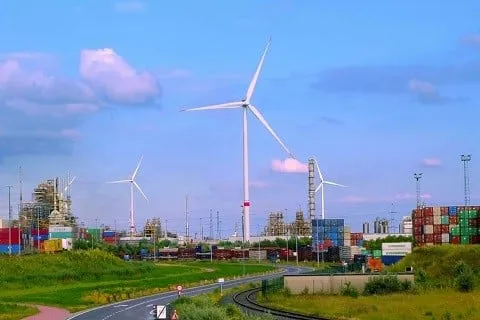
Green Assets
Quantify the climate-related risk for different types of assets (infrastructure, real estate and listed companies) for investors worldwide.

Scientific Climate Scenarios
Complement existing benchmark climate scenarios with probabilistic information, and improve their sectoral and regional granularity.
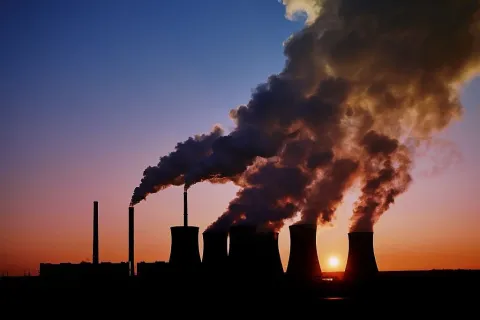
Transition Risks
Quantify the financial impacts of climate risk related to a transition toward a low carbon economy. It is approached through a complete vision considering the specific geo-sectoral aspects.
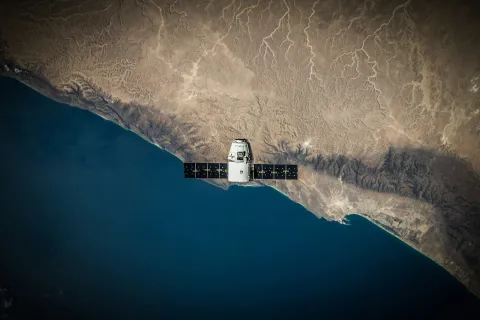
Physical Risks
Develop methods to quantify climate change-driven physical risk impacts across time and space, with a particular focus on critical infrastructure, real estate and listed equities.

Climate Regulation & Policies
Examine the norms shaping climate risk assessment and management, providing insights to integrate risks into decision-making and support the low-emission transition.
News
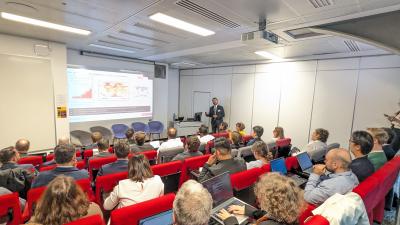


Events
03.11.2026 - 03.11.2026
Beyond Risk Diagnosis: Making Adaptation and Resilience Investable
In person
See more
10.11.2026 - 10.11.2026
Concert Art et Climat - Campus EDHEC Nice
In person
See more
12.11.2026 - 12.11.2026
Climate Risk: CFA Society France and GARP Conference
In person
See more